9 Studio Apartment Move-In Mistakes to Avoid (Learn From Mine)
The keys are in your hand, the space is empty, and for about ten minutes everything feels full of possibility. Then the boxes show up, you shove the bed against the first wall that fits, and three weeks later you’re living in a room that feels cramped, dark, and weirdly stressful — and you can’t figure out why.
Here’s the thing: most studio apartments don’t feel bad because they’re small. They feel bad because of decisions made in the first week, fast and tired, that quietly haunt you for the rest of the lease. I’ve made nearly every one of these. Let’s make sure you don’t.
1. Buying Furniture Before You Measure Anything
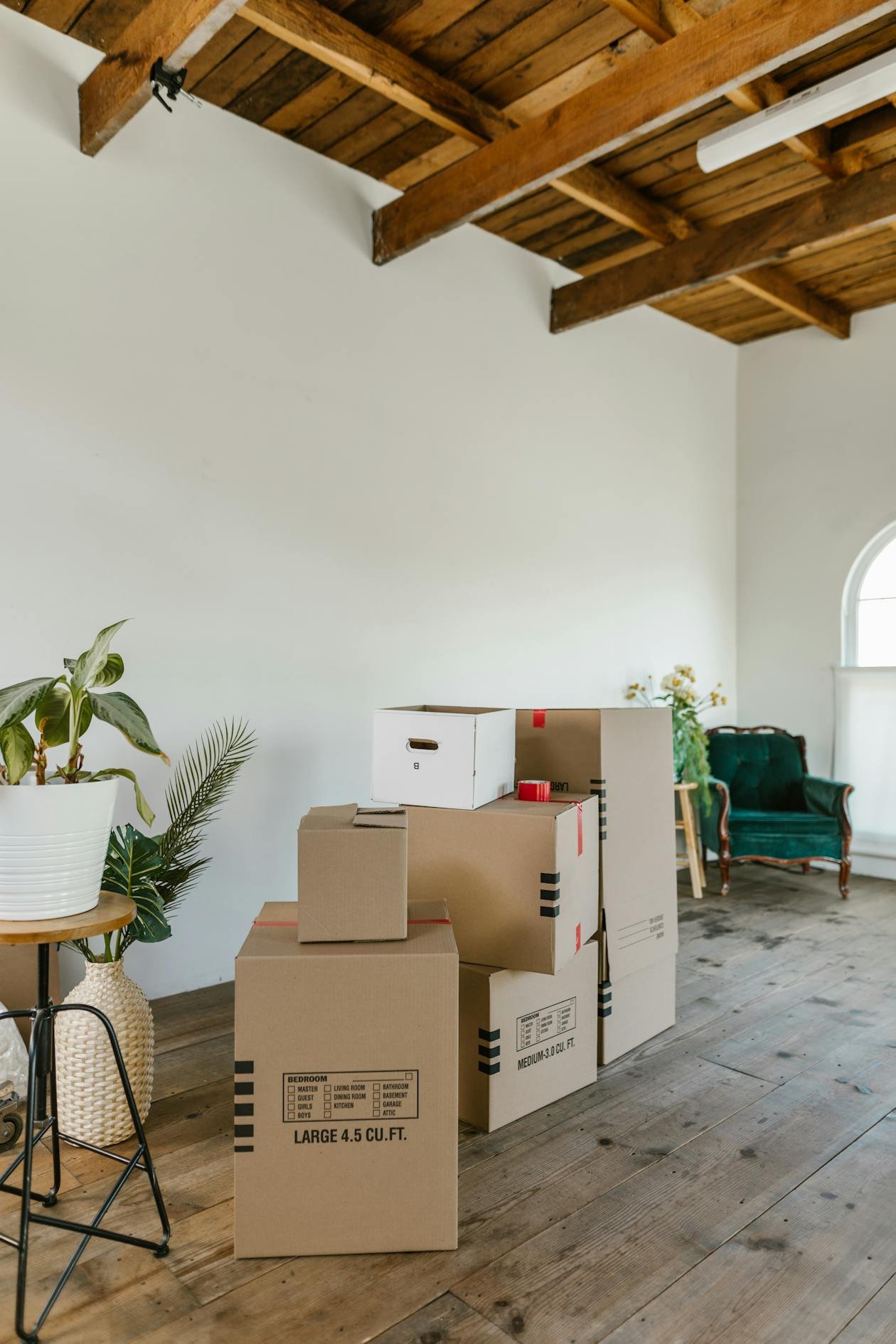
I get the urge. You’re excited, you want it to feel like home immediately, so you order a sofa the day you sign the lease. Don’t. In a studio, a single oversized piece can swallow the entire room — and returning a couch you’ve already assembled is its own special nightmare.
Before you buy anything, grab a tape measure and write down the real numbers: wall lengths, window heights, the width of your door frame (this is the part most people skip — and that’s exactly why their new sofa is currently sitting in the hallway). Then tape the footprint of each major piece onto the floor with painter’s tape. Live with those tape outlines for a couple of days. You’ll feel immediately whether you can actually walk around them.
Pro tip: Measure your doorway, stairwell, and elevator before the furniture, not after. A 90-inch sofa means nothing if your door is 30 inches wide.
2. Pushing Everything Flat Against the Walls
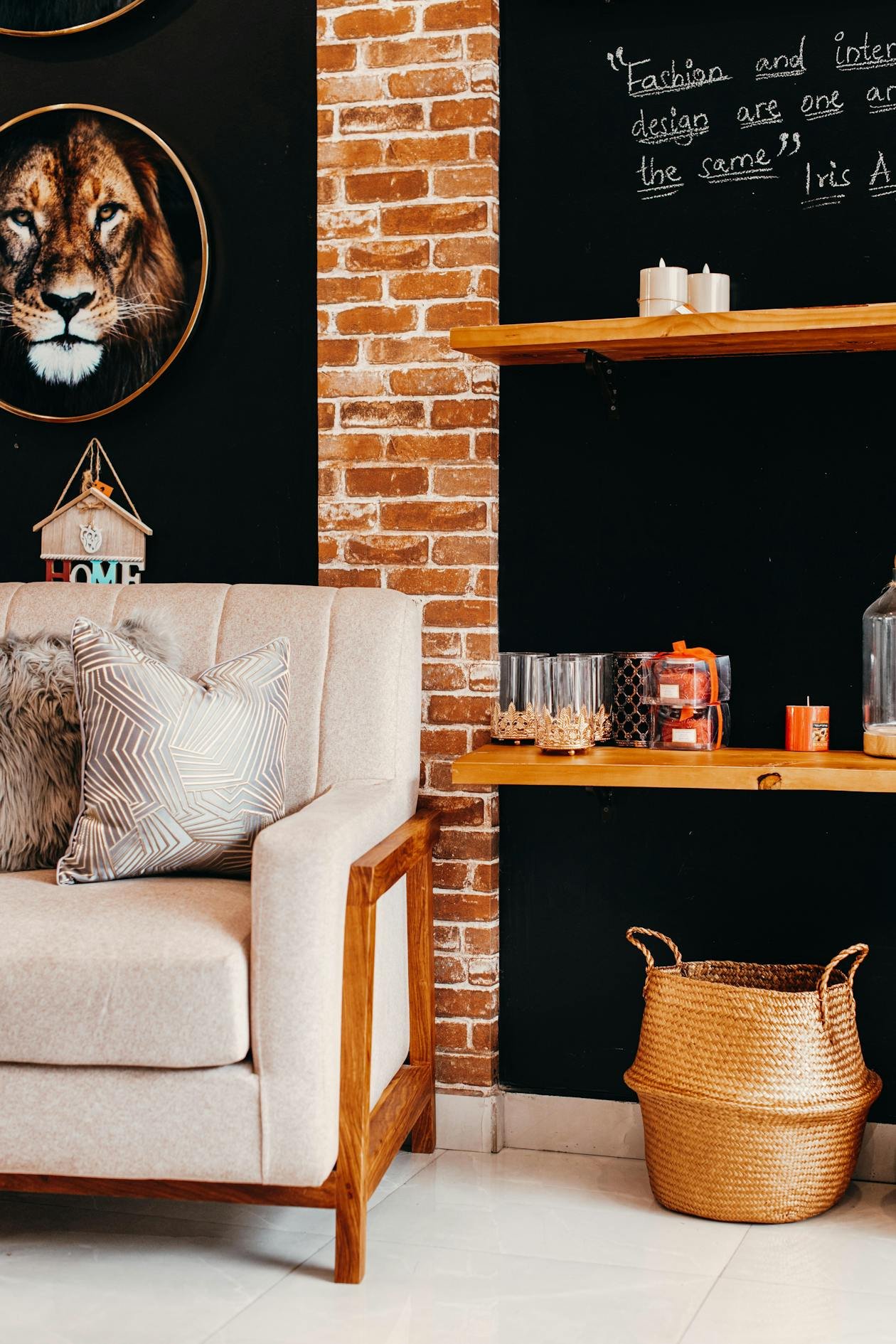
It feels logical — small room, so hug the walls and keep the middle clear, right? It’s the single most common move-in instinct, and it almost always backfires. Lining everything up against the perimeter actually makes a studio feel smaller and more like a waiting room than a home.
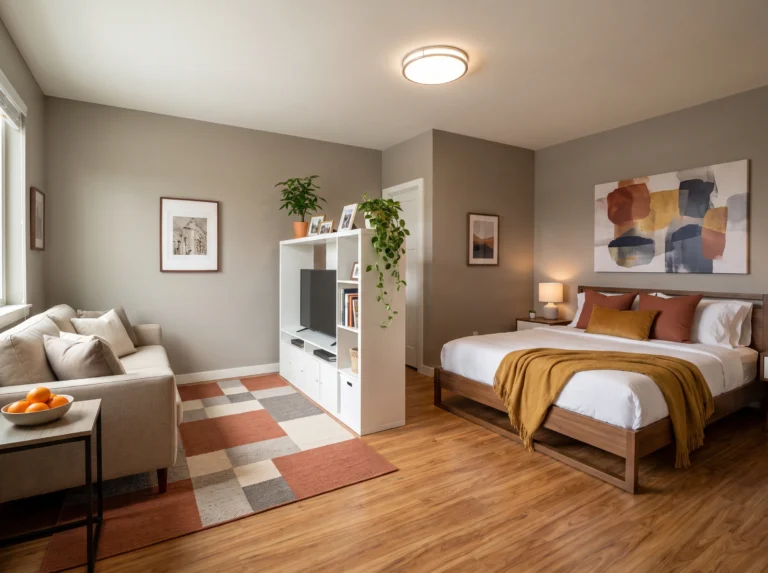
Pulling a sofa even six inches off the wall creates a sense of depth and intention. Float a piece to define a zone. Angle a chair. The goal isn’t to maximize empty floor in the center — it’s to make the room feel composed. A little breathing room behind the furniture reads as “designed,” not “dorm.”
I lived with everything shoved against the walls for a year because I thought it “saved space.” It didn’t. It just made my apartment feel like a furniture showroom nobody had finished setting up.
3. Skipping the Rug (or Buying One Two Sizes Too Small)
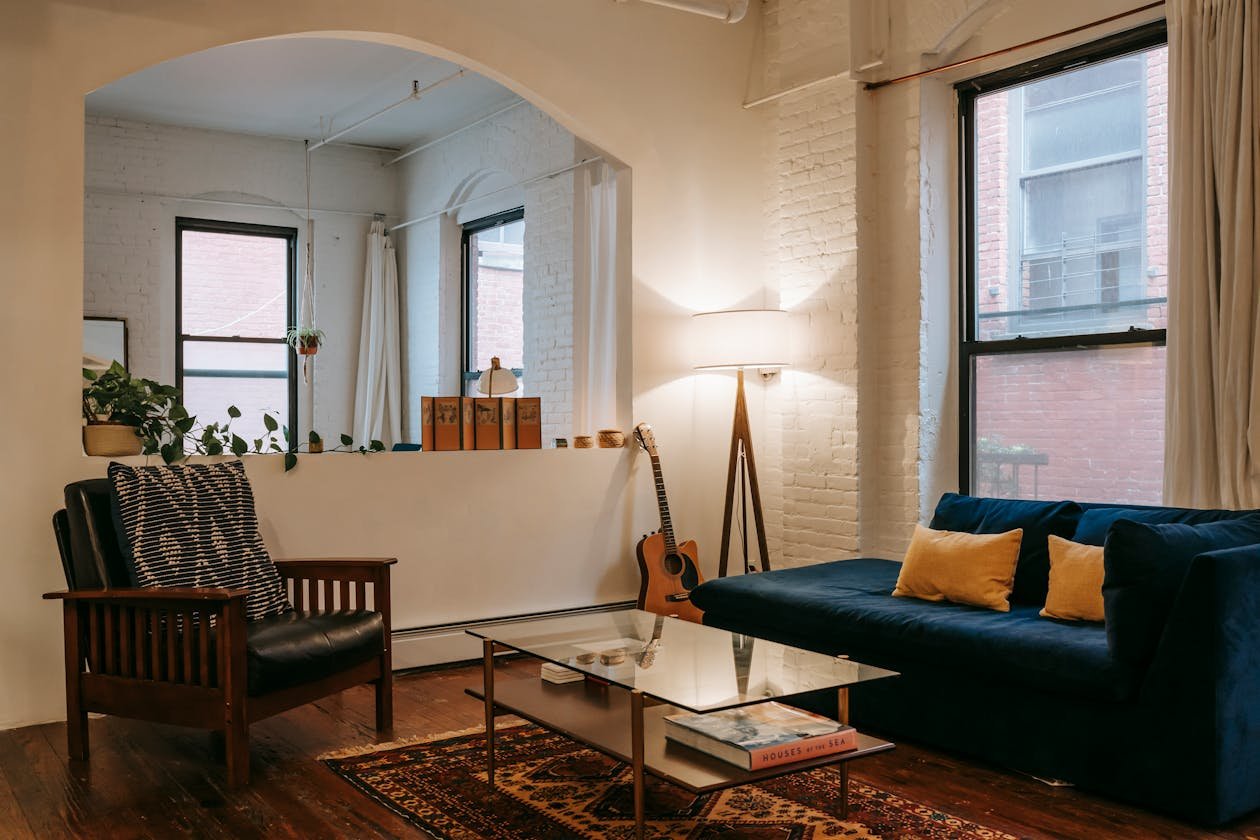
In an open studio where your “living room” and “bedroom” share the same four walls, a rug is one of your best friends. It quietly draws an invisible line on the floor that says this part is for sitting, that part is for sleeping. Without it, everything blurs into one undefined zone.
The mistake almost everyone makes is going too small. A tiny rug stranded in the middle of the floor looks like a postage stamp and shrinks the whole room. Go bigger than feels natural — large enough that at least the front legs of your sofa sit on it. A 5×7 is usually the floor (pun intended) for a seating area; 8×10 if you can swing it.
- Save here: A flatweave or low-pile rug from IKEA or HomeGoods will do the zoning job for under $100.
- Splurge here: If you want one heirloom piece, a wool rug is the thing that survives ten moves.
4. Relying on the One Sad Ceiling Light
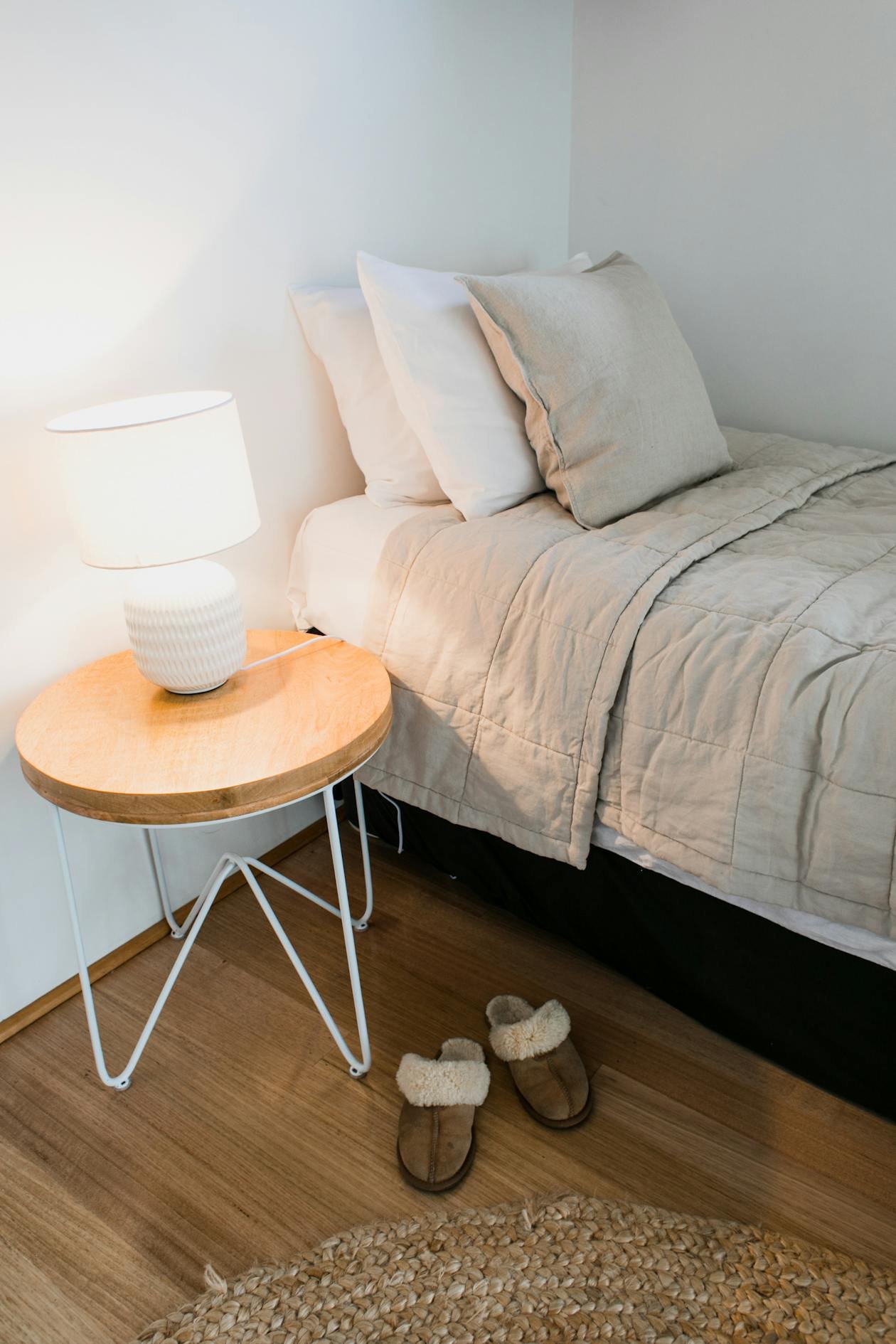
Almost every rental studio comes with one harsh overhead fixture, usually dead-center, casting that flat, shadowless light that makes 7 p.m. feel like a dentist’s office. If you only fix one thing on this list, make it this one.
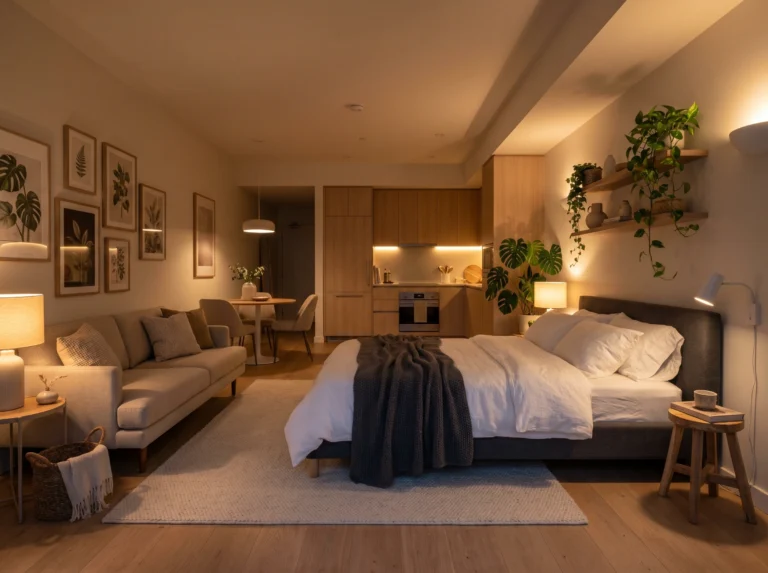
The trick is layered lighting — using several smaller light sources at different heights instead of one big one from above. A floor lamp in the corner, a small table lamp by the bed, maybe some warm LED strip tucked behind a shelf. Aim for warm-toned bulbs (look for “2700K” on the box — that’s the color temperature that reads as cozy, golden light rather than cold blue). Then you almost never turn the ceiling light on again.
Pro tip: Put your lamps on a cheap smart plug or a simple timer. Walking into a softly lit apartment instead of flipping a switch changes the whole feeling of coming home.
5. Treating Storage as an Afterthought
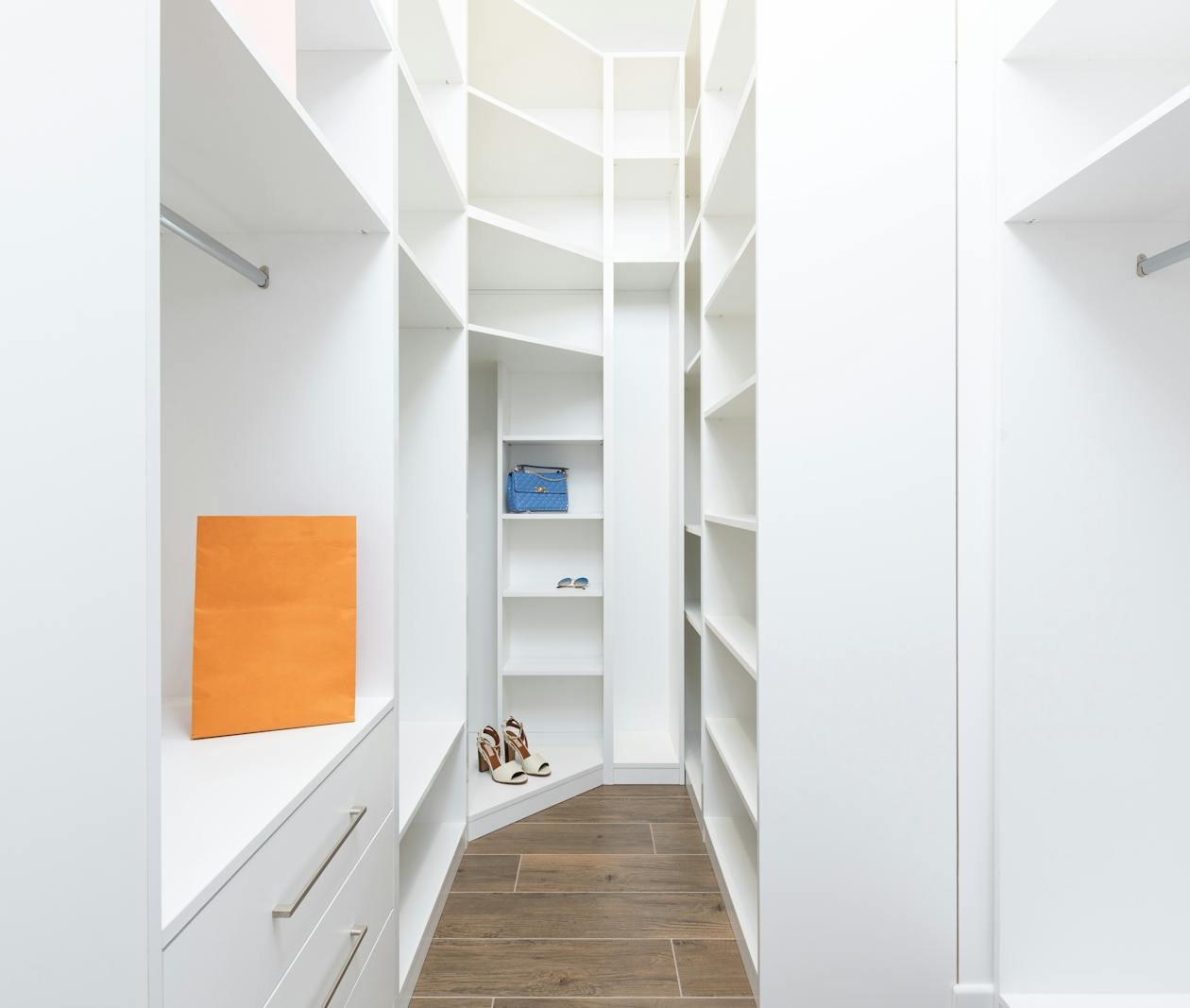
In a studio, there’s no spare room to hide your stuff in. Every item you own lives in the same space you relax in, so clutter doesn’t just pile up — it sits in your eyeline all day. The people who get this right plan storage before the mess accumulates, not after.
Think vertical and dual-purpose. A storage bed with drawers underneath. A bench that opens up. Tall, narrow shelving that uses the wall instead of the floor. Over-the-door racks for the back of your closet or bathroom door (no drilling, deposit-safe). The goal is for everything you own to have a home that isn’t “the chair.”
Renter-friendly alternative: Tension rods, over-door hooks, and freestanding shelving give you tons of storage without a single hole in the wall. Your security deposit will thank you.
6. Painting Yourself Into a Corner With a Theme
You found one aesthetic on Pinterest and committed to it with your whole soul — full coastal, full industrial, full everything-matches. The problem is that a single relentless theme in one small room can feel more like a stage set than a home. Studios reward restraint, not a costume.
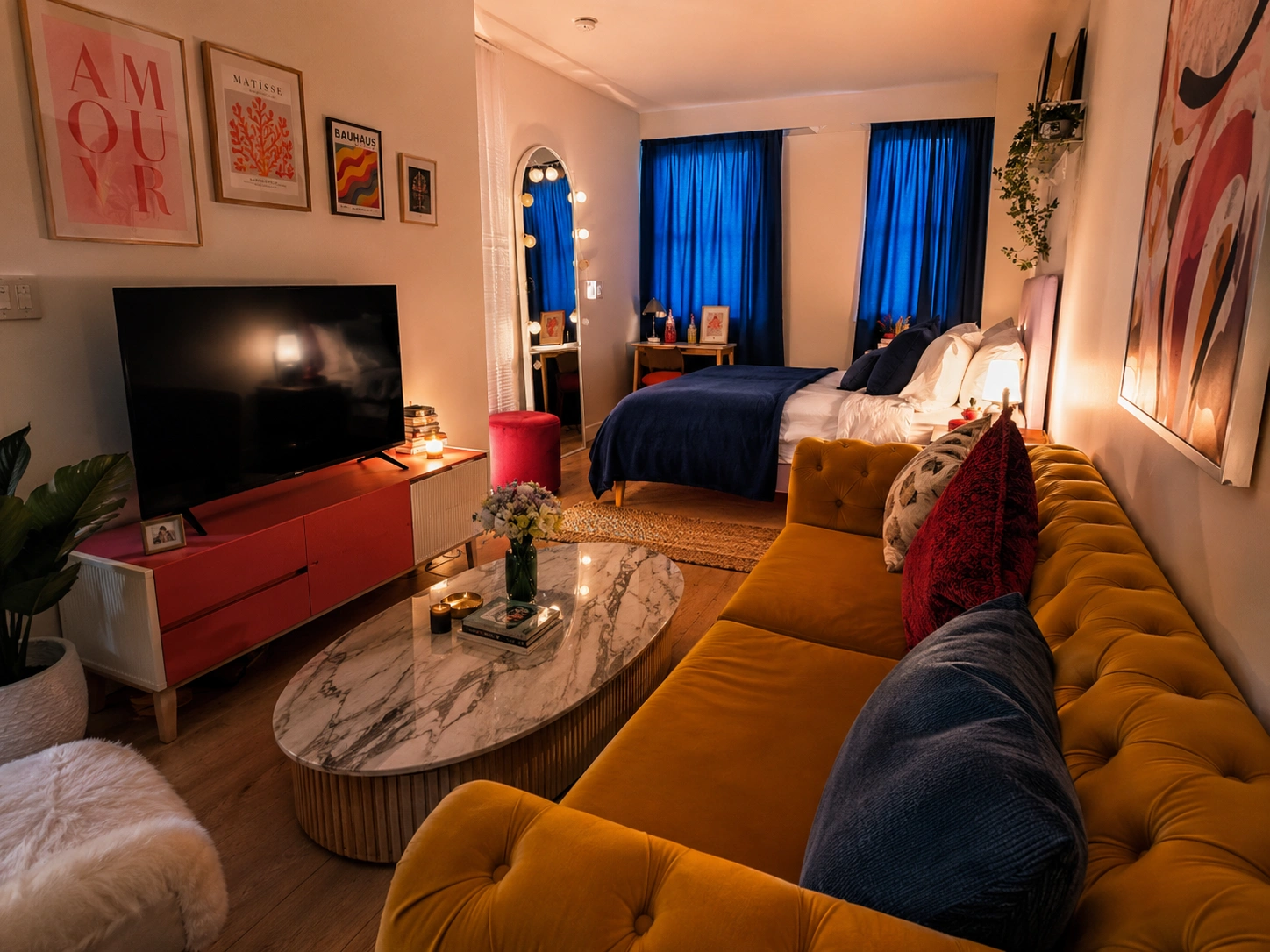
Pick a calm base — neutral walls, a couple of grounding colors — and let personality come through in small, swappable pieces: a few books, art you actually love, a throw, one bold cushion. Those are cheap to change when your taste shifts (and it will). Build the room around how you want it to feel, not around copying a single photo pixel for pixel.
Your home should reflect you, not a mood board you’ll be bored of by spring.
7. Forgetting the Walls Exist
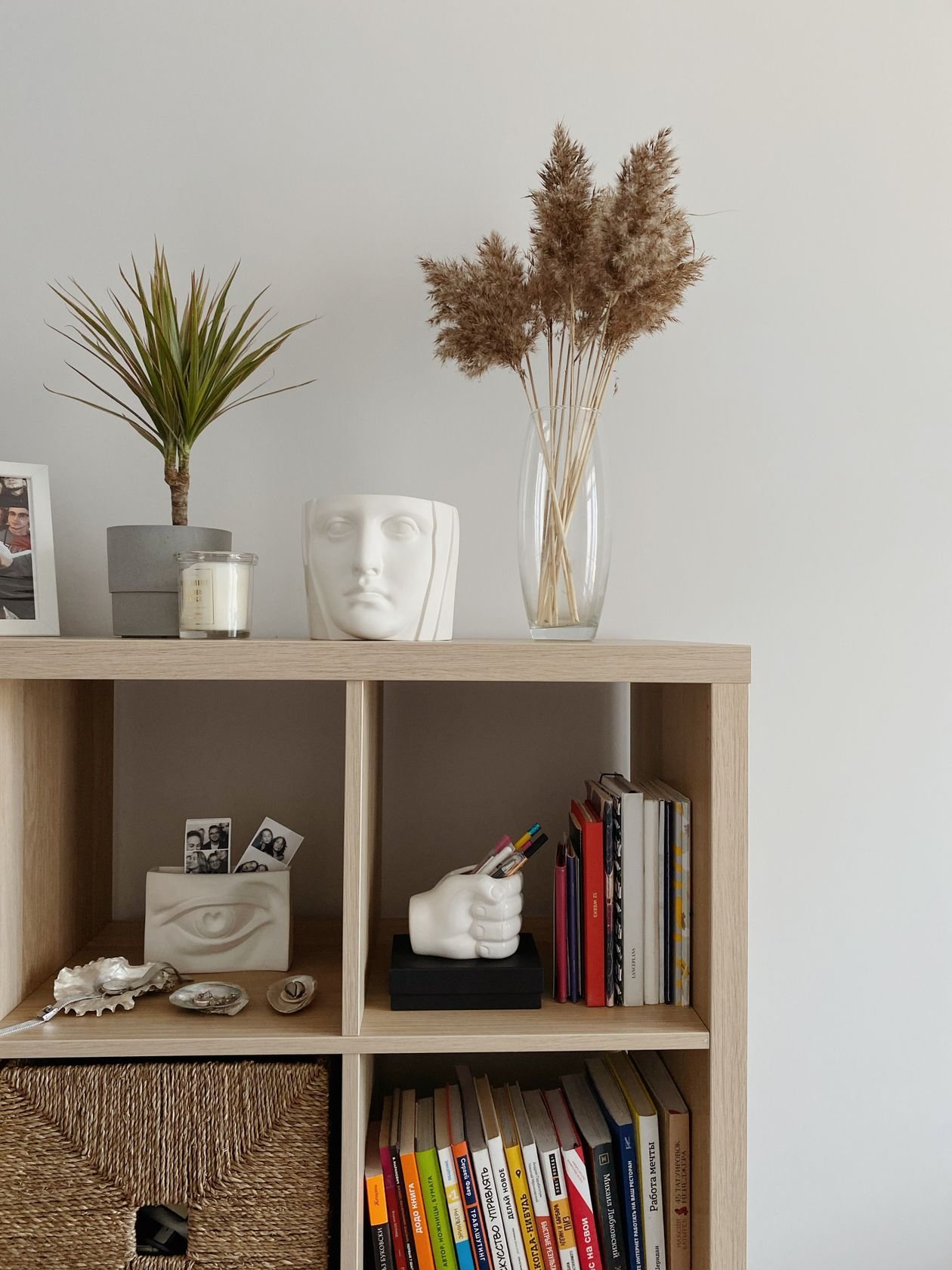
When floor space is tight, your walls are the most underused real estate you own — and a bare wall in a small room reads as “I haven’t really moved in yet.” Yet so many studios sit with blank walls for months because hanging art feels like a commitment.
You don’t need a gallery wall on day one. Start with one piece at eye level. Hanging art a little higher and leaning into vertical arrangements actually tricks the eye into reading the ceiling as taller. And if you’re a renter terrified of holes, you have options.
- Renter-friendly alternative: Adhesive strips hold more than you’d think for lightweight frames, and leaning a large piece of art against the wall on the floor looks intentional and costs zero holes.
- My favorite low-effort trick: A single oversized mirror leaned against the wall bounces light around and makes the whole room feel bigger.
8. Not Defining a “No Bed” Zone
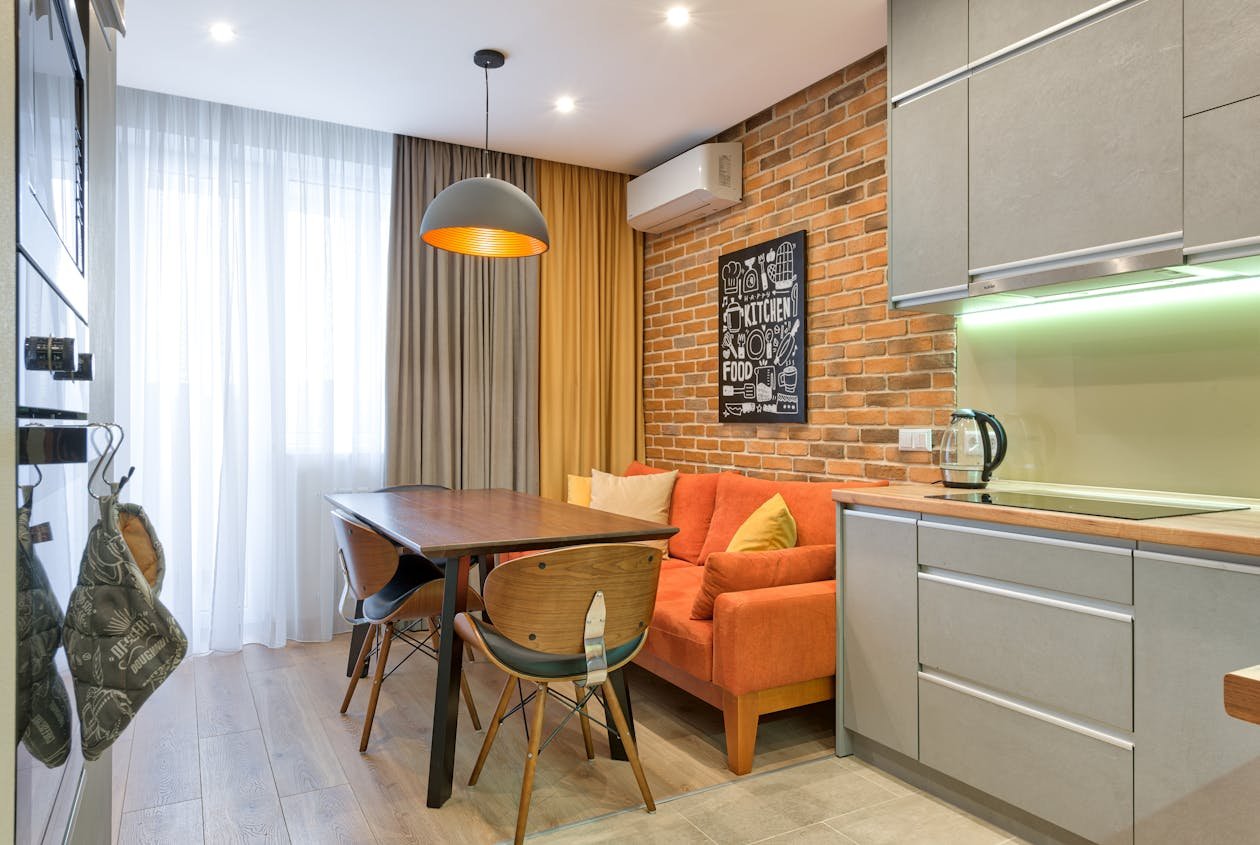
The hardest part of studio living is psychological: when your bed, your desk, and your dinner table are all within arm’s reach, your brain never fully clocks out. If everything happens in one undivided blob, rest and work start to bleed together — and that’s a recipe for never quite relaxing.
Give yourself at least one spot that is not the bed. A small armchair in the corner. A two-person bistro table by the window. Even a floor cushion and a side table count. The point is to have somewhere to sit that isn’t where you sleep, so your day has a little structure built into the furniture.
A simple room divider, a tall plant, or an open bookshelf can physically separate the sleep zone from the rest, even in 400 square feet. You’d be surprised how much calmer the space feels with one soft boundary.
9. Trying to Finish It All in One Weekend
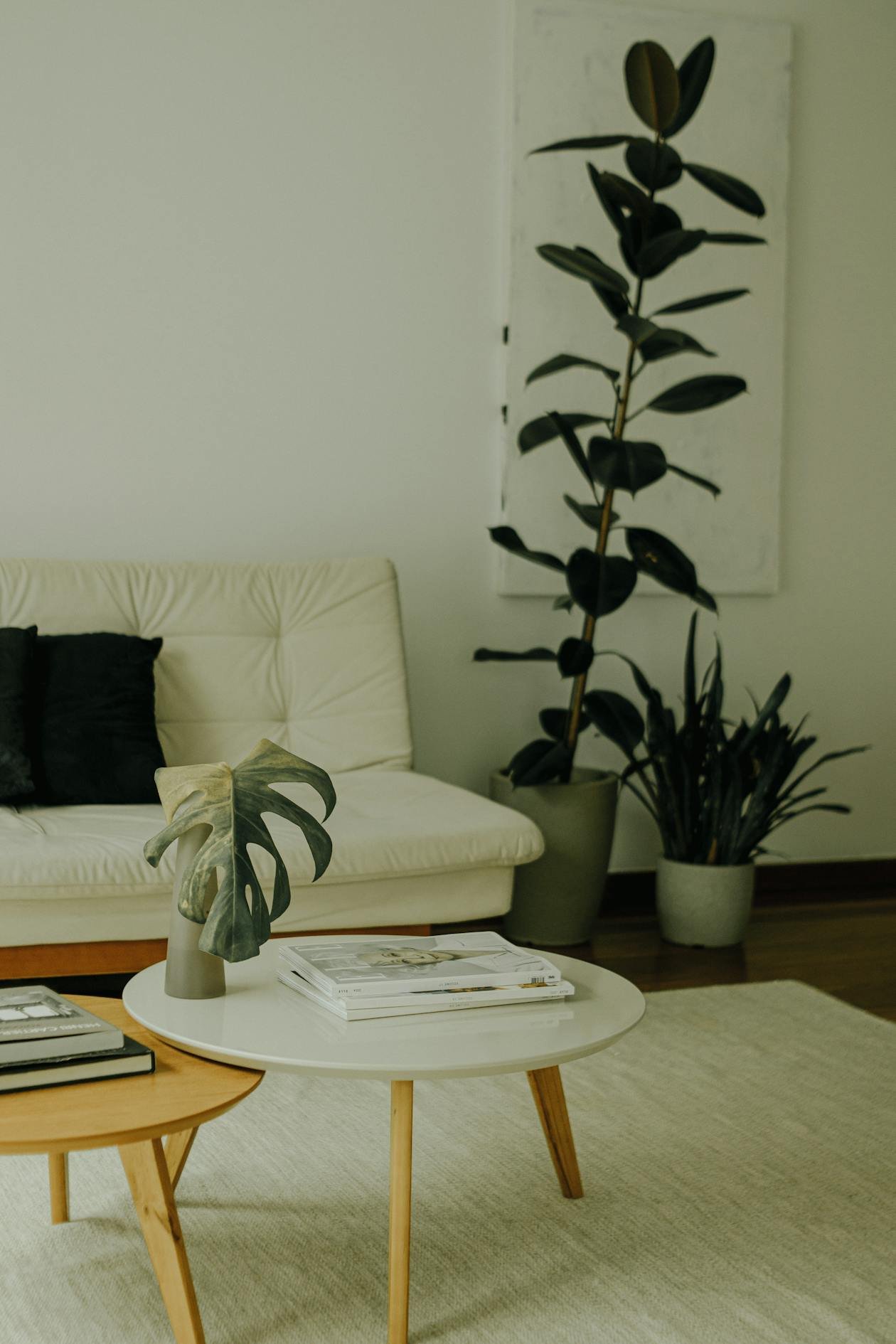
This is the mistake underneath all the others. You move in, you want it done, so you buy everything at once in a frantic haul — and you end up with a room full of fast decisions you’ll quietly resent. Some of the best things in my own places were the ones I waited on.
Live in the space first. Notice where the light falls in the morning. Notice where you naturally drop your keys, where you actually want to sit, which corner feels dead. Then buy for the apartment you have, not the Pinterest board you saved. A studio that fills in slowly, piece by considered piece, almost always feels more like home than one furnished in a single panicked Saturday.
Pro tip: Set aside a small “settling-in fund” and spend it over the first two months instead of week one. The patience pays off in pieces you actually love.
Final Thoughts
A studio apartment isn’t a compromise you have to apologize for — it’s just a space that rewards a little intention over a lot of square footage. Almost every mistake on this list comes from the same place: moving too fast, too tired, trying to feel settled before you’ve actually figured out how you live in the room.
So slow down. Fix the lighting, define your zones, give your stuff a home, and let the rest reveal itself. Pick one thing from this list and try it this week. Just one.
Your home should make you exhale when you walk in — not feel like a box you’re still apologizing for. Start small, and the small space starts to feel like yours.
Happy decorating, Sofia
Image credits: All photos via Pexels — Max Vakhtbovycn, RDNE Stock project, Keegan Checks, Charlotte May, Rachel Claire, Marina Akimova, and juliane Monari.